Mongolia’s Nine Nines of Winter
A cultural way of reading cold, time, and change
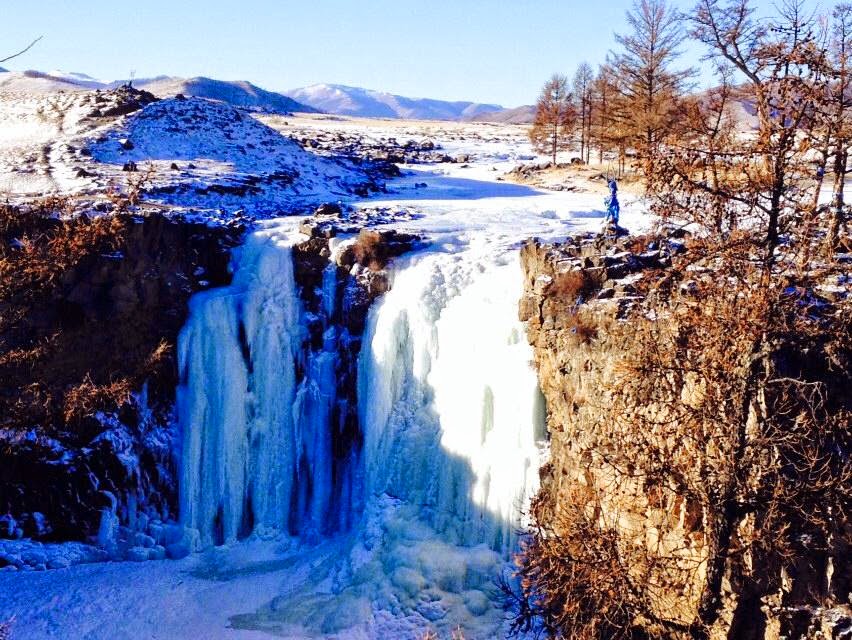
Mongolia’s climate is fiercely continental. With no nearby ocean to soften the seasons, winter arrives with conviction. January temperatures commonly sit around –30°C, and in some regions sink far lower. This is not weather that passes unnoticed—it shapes daily life, movement, and decision-making.
To understand this long winter, Mongolians have traditionally relied on a system known as the Nine Nines (Yos Yos). Beginning on the winter solstice, the season is divided into nine periods of nine days—81 days in total—each marked not by numbers on a calendar, but by what happens to the land, animals, and everyday materials.
Long before weather forecasts, Mongolian herders used this method to navigate winter, knowing when to brace for the coldest days in one of Earth’s harshest climates. The Nine Nines offered reassurance too: winter had a rhythm, and it would move forward, however slowly it felt.
Reading winter through the Nine Nines
Below is a traditional guide to the Nine Nines, with dates included—not as rigid rules, but as cultural signposts passed down through generations. It’s a practical way of knowing when vodka freezes solid, and when rice finally doesn’t.
The coldest days
- 1st Nine: December 22nd to December 30th – Vodka made from milk (traditional shimiin arkhi) freezes
- 2nd Nine: December 31st to January 8th – Normal vodka freezes/congeals
- 3rd Nine: January 9th to January 17th – The tail (or horns, depending on what you read) of a 3-year-old ox freeze and fall off
Subtle signs of change
- 4th Nine: January 18th to January 26th – The horns of a 4-year-old ox freeze and fall off
- 5th Nine: January 27th – February 4th – Boiled rice no longer congeals and freezes
- 6th Nine: February 5th – February 13th – Roads blacken (start to become visible through the snow)
Signs of spring
- 7th Nine: February 14th – February 22nd – Hill tops appear from beneath snow
- 8th Nine: February 23rd – March 2nd – The ground gets damp (snow melting on grass)
- 9th Nine: March 3rd -March 12th Warmer days have set in (Hurrah!)

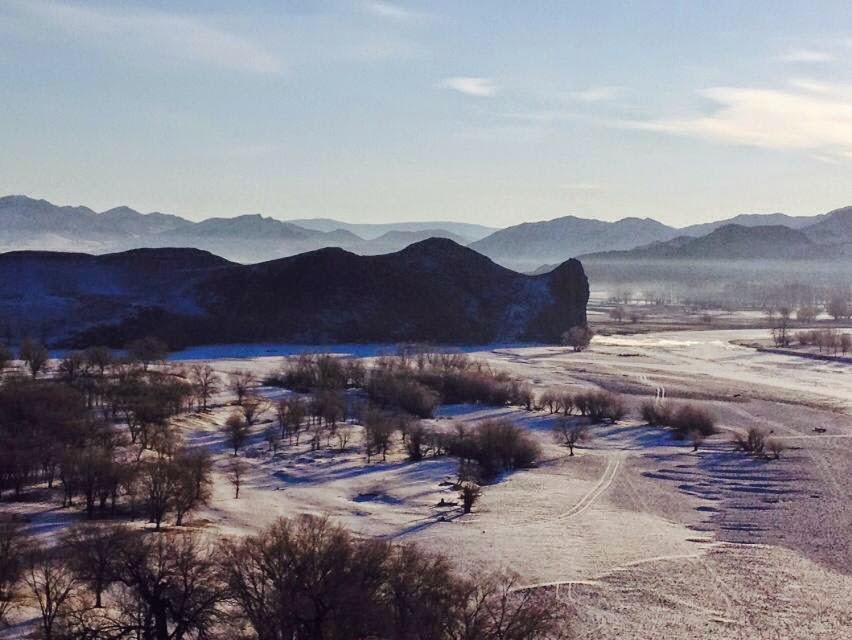
As winter progresses, the Nine Nines guide Mongolians from endurance toward renewal, fostering patience and respect for nature’s patterns—each phase a reminder that spring is approaching, even when it feels far away.
Stories, sayings, and seasonal wisdom
Mongolian proverbs and oral stories often describe winter as both beautiful and formidable. These are not romantic tales, but practical ones—lessons shaped by necessity. They speak of preparedness, patience, and working with the land rather than attempting to control it. The Nine Nines sit quietly within this worldview: less something you see, more something you come to understand.
As a visitor, there is little you can physically touch or observe when it comes to the Nine Nines. Yet—even in 21st-century Mongolia—they remain part of everyday language and seasonal awareness, particularly in rural areas. They form a cultural thread linking past and present, and offer a way of relating to winter that goes beyond temperature alone.
The Nine Nines in a changing climate
Today, this traditional knowledge also offers context for understanding how Mongolia’s climate is shifting. Since the 1940s, average annual temperatures in Mongolia have risen by around 1.8–2.2°C, with further warming expected. This has intensified water scarcity, desertification, and pasture degradation, contributing to floods, droughts, dzud (severe winter events), and sandstorms.
For many herding families, climate change is not abstract. It affects livestock survival, migration patterns, and livelihoods, and has driven significant movement from rural areas into Ulaanbaatar. These realities inform why we approach travel with care—and why we believe tourism has a role to play.
This is also why we are a signatory of the Glasgow Declaration on Climate Action in Tourism, led by the UNWTO in collaboration with the Travel Foundation and Tourism Declares A Climate Emergency. It reflects a commitment to action, accountability, and long-term thinking.
Experiencing winter in Mongolia
Travel writer Benedict Allen once wrote in Edge of Blue Heaven that on hearing the temperature was –18°C, a fellow traveller remarked, “Thank God. Looks like Mongolia’s enjoying a warm spell.” It’s a line that still makes us smile—and rings true.
If the Nine Nines have sparked your curiosity, winter travel offers a chance to experience Mongolia at its most elemental. Our winter journeys run during the low season, with a 15% discount, and are shaped around the realities of the season rather than in spite of them.