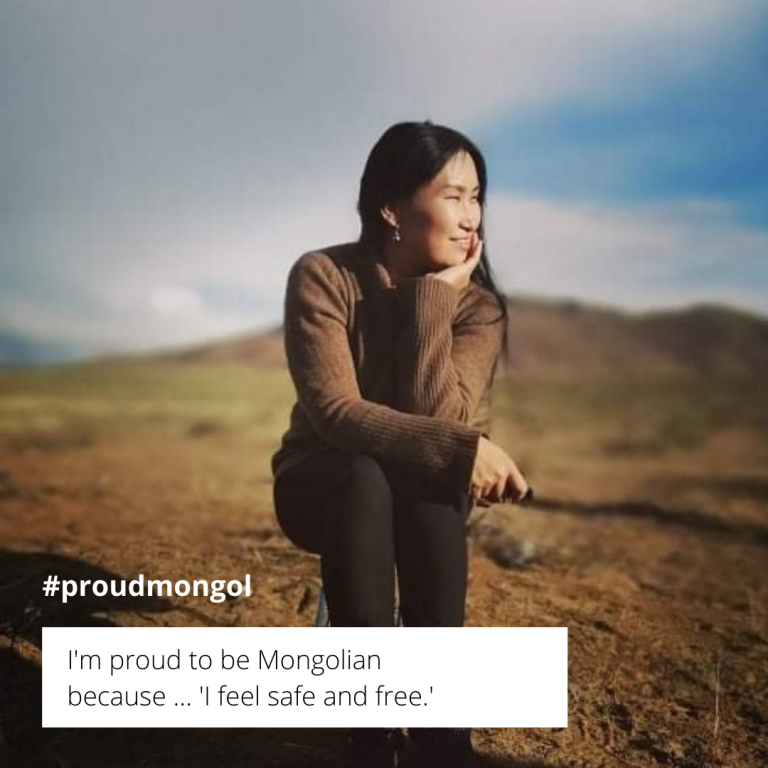
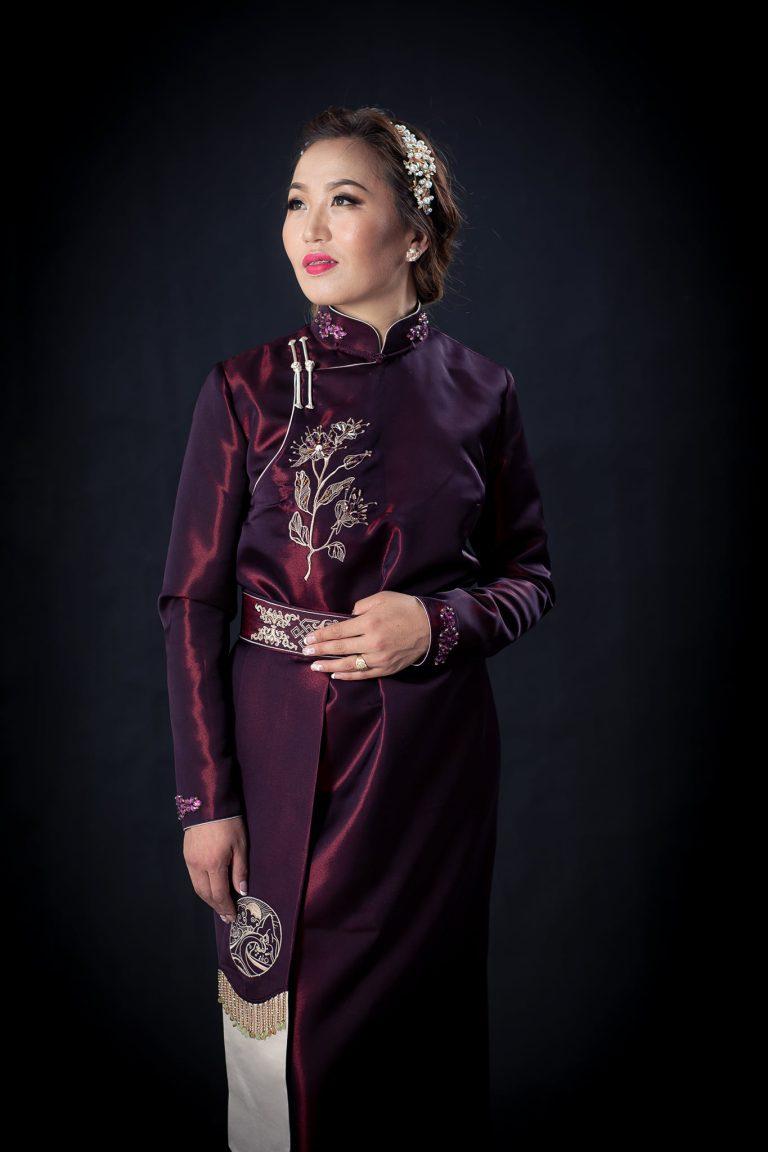
From urban Ulaanbaatar to the remote Gobi Desert, Mongolia offers a travel experience like no other. Its balance of adventure and cultural immersion makes it an enriching destination for women seeking a unique journey.
Whether you’re travelling solo, with friends, or in a group, Mongolia will leave you with memories, new perspectives, and a sense of empowerment that only this extraordinary country can inspire.
Mongolia is a relatively safe country in which to travel as a foreign woman. However, as with any country, there are cultural issues to be aware of and the same safety cautions apply as at home.
We are a small, Mongolian-registered tourism company with a deep commitment to showcasing the heart of Mongolia through a female perspective. Founded by Jess – an English female entrepreneur who has lived and worked in Mongolia since 2006—our business reflects her passion for the country.
Since our establishment, we have exclusively employed Mongolian women as trip assistants, fostering meaningful opportunities for local women. Additionally, we collaborate nationwide with a network of families, many of which are led by women. This approach ensures that our tours not only share Mongolia’s stunning landscapes but also empower and support its people.
Our partnerships extend to local NGOs and projects dedicated to supporting Mongolian women, amplifying the positive impact of tourism. While we don’t claim to be experts, we live and breathe Mongolia every day and view it through a uniquely female lens.
This guide is our way of sharing our knowledge, experiences, and insights to help other female travellers connect with the extraordinary culture, people, and stories of Mongolia.

Mongolia’s history and culture have fostered an egalitarian ethos where women play significant roles both within families and society. Traditionally, Mongolian women have been vital contributors to nomadic life, managing households, herding, and ensuring the well-being of their communities. This resilience continues today.
In contemporary Mongolia:
Education: Women outnumber men in higher education institutions, reflecting their strong presence in academia and professional fields.
Economic Roles: Women are prominent in industries such as education, healthcare, and small business entrepreneurship.
Leadership: Although Mongolia has yet to see equal female representation in politics and higher corporate leadership, women leaders in NGOs and community initiatives are increasingly making an impact.
Cultural Respect: Women are highly respected within families, with mothers and grandmothers often holding influential positions in decision-making.
For female travellers to Mongolia, this societal backdrop means you’ll often encounter empowered and independent women who can offer insights into the country’s culture and dynamics.
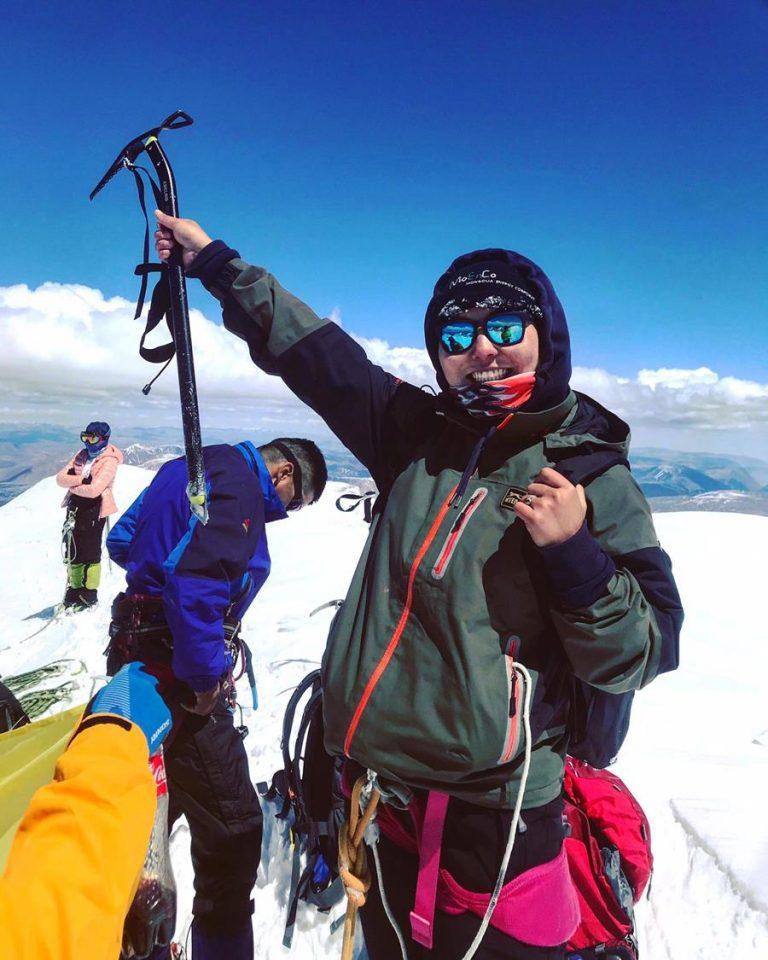
In the 2024 Women, Peace, and Security (WPS) Index, Mongolia ranks 101st out of 177 countries. This index assesses women’s inclusion in society, justice, and security. Mongolia’s ranking reflects progress toward gender equality, particularly in education and economic participation, but challenges persist, especially in rural areas where access to resources and legal protections can be limited.
The 2024 Numbeo Safety Index places Mongolia 101st out of 146 countries. This index evaluates perceptions of safety, crime rates, and personal security. While this indicates that Mongolia is relatively safe for travellers, caution is advised, particularly in urban areas like Ulaanbaatar, where petty theft and occasional harassment may occur.
Mongolia has shown a commitment to improving women’s rights, but enforcement of gender equality laws and protections against violence can be inconsistent, especially in remote regions.
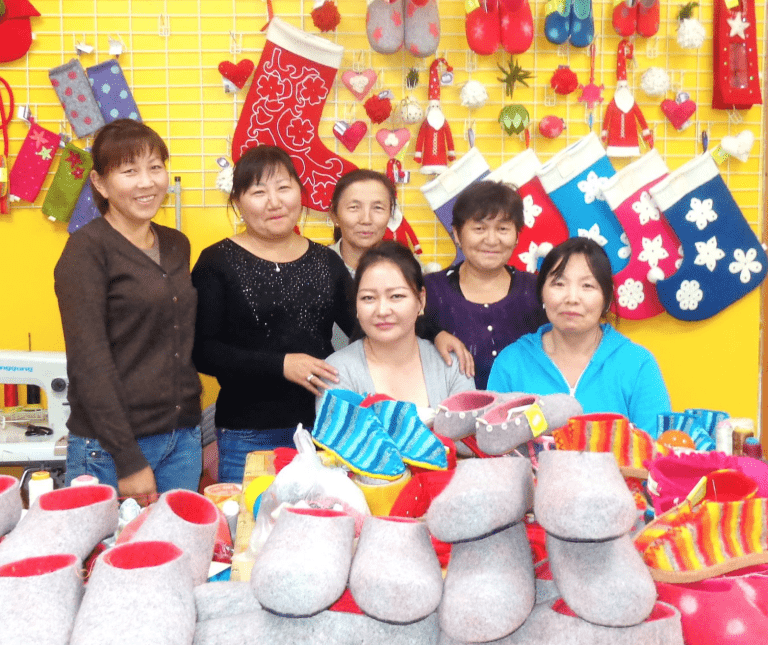
Female travellers to Mongolia have the unique opportunity to contribute their time and support to local NGOs and initiatives dedicated to empowering women and enhancing their lives across various sectors. Here are a few impactful organisations, including two that Eternal Landscapes is proud to support and collaborate with.
Mission
Empowering women and youth to become catalysts for social change.
Women for Change is a grassroots organization dedicated to gender equality and empowering women through education, advocacy, and community engagement. They tackle critical issues such as domestic violence, access to education, and economic empowerment.
Key Programmes
Leadership and entrepreneurship workshops for young women.
Campaigns to raise awareness about gender-based violence and equality.
Through their work, WFC provides women with the tools to advocate for themselves and drive positive change in their communities.
Mission
- Preventing sexual violence and creating safe spaces for survivors.
- Beautiful Hearts is a non-profit organization working to eradicate sexual violence in Mongolia. They provide vital support to survivors and raise awareness through education and advocacy.
Key Programmes
- Counseling and rehabilitation services for survivors.
- School and community workshops to promote safe environments for young girls.
Their efforts have increased awareness and expanded support networks for survivors throughout Mongolia.
Mission
Key Programmes
Impact
Eternal Landscapes is proud to champion sustainable tourism by empowering women through employment, education, and partnerships with female-led initiatives. By creating meaningful opportunities for women in the travel industry, we challenge traditional gender norms and contribute to lasting, positive change in local communities.
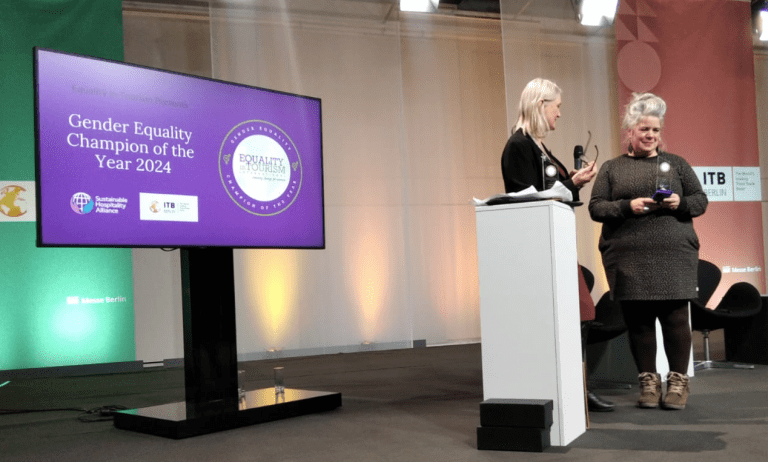
In recognition of our efforts, we were honored with the Gender Equality in Tourism Award by Equality in Tourism International. This achievement highlights the dedication of our team and the support of our guests, reinforcing our commitment to creating meaningful and sustainable careers for Mongolian women.
We intentionally avoid using the term “guide.” We call them trip assistants to emphasize their supportive and collaborative roles. This approach reflects our commitment to fostering a more inclusive and equitable model of tourism, providing meaningful employment opportunities for women from diverse backgrounds.
They are cultural ambassadors, storytellers, and logistical experts. By drawing on their unique experiences as Mongolian women, they offer travelers a deeper understanding of Mongolia’s traditions, communities, and landscapes.
A Bridge Between Community and Culture
Born and raised in Mongolia, our female trip assistants possess an intimate understanding of the country’s culture, landscapes, and people. They approach travel with genuine enthusiasm for their homeland, offering a flexible and personal experience rooted in local connections. If you value freedom, cultural immersion, and authentic interactions, our experiences are the perfect fit.
Role Models
Many of our trip assistants come from rural areas and have overcome significant challenges, including balancing caregiving responsibilities, to build successful careers in the travel industry. By breaking stereotypes and serving as role models, they inspire the next generation of Mongolian girls—particularly those from rural communities—to dream big and redefine what’s possible.
Personal Touch
Known for their warmth and hospitality, our trip assistants excel at creating welcoming, supportive environments. Solo female travelers particularly benefit from their camaraderie and understanding, ensuring a safe and enjoyable journey.
Tourism in Mongolia, particularly in rural regions, has traditionally been a male-dominated industry. Since our establishment in 2010, Eternal Landscapes has been committed to changing this narrative by:
Creating Opportunities: Offering professional roles that empower women to achieve financial independence and professional growth.
Challenging Gender Norms: Promoting inclusivity and diversity in an industry that has historically excluded women.
Supporting Sustainable Tourism: Developing a tourism model that uplifts communities while fostering long-term development.
Our belief in female representation reflects our broader commitment to responsible and ethical tourism, ensuring our work benefits both the people we employ and the travellers we serve.
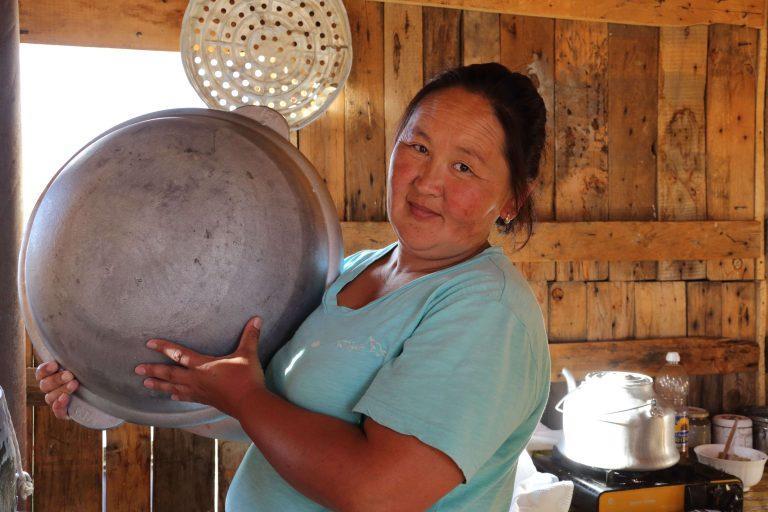
When you travel with Eternal Landscapes, you’re not just exploring Mongolia—you’re actively supporting a vision of empowerment, sustainability, and meaningful cultural exchange led by remarkable Mongolian women. Together, we create travel experiences that are as impactful as they are unforgettable.
Mongolia’s climate and cultural norms influence what travelers should wear to ensure both comfort and respect for local traditions. While no strict dress codes exist, being mindful of your attire can enhance your experience, particularly in rural areas.
By dressing with comfort, practicality, and respect in mind, you’ll be well-prepared to experience Mongolia’s urban and rural charms while staying comfortable in its ever-changing climate.
In Ulaanbaatar:
Urban attire in the capital is casual and aligns with Western fashion. You’ll find that jeans, sneakers, and everyday tops are perfectly acceptable. However, avoid overly revealing clothing to prevent unwanted attention.
In Rural Areas:
Modest and functional clothing is more appropriate in traditional settings. Loose-fitting tops, long pants, or skirts are practical and align with the cultural expectations of rural communities. These choices also suit the physical demands of outdoor activities.
Mongolia’s extreme weather calls for careful planning:
Layers Are Key:
Temperature variations throughout the day are common, so pack layers. Opt for moisture-wicking, breathable fabrics to stay comfortable during long outdoor days.
Sun and Wind Protection:
Bring headscarves, hats, or caps to shield yourself from the sun or wind during long days outdoors. While not culturally required, these items greatly enhance your comfort.
Rain Preparedness:
A lightweight jacket or umbrella can be useful not only for sudden rain but also for added privacy when using “nature’s facilities” in areas with limited public restrooms.
Pack for the Seasons:
Summers are warm during the day but cool at night, while winters are harsh and require insulated clothing. Be sure to research the weather for your travel dates.
Be Respectful in Rural Areas:
While Mongolian women dress in contemporary styles, showing too much skin (e.g., short shorts, crop tops) might feel inappropriate in more traditional settings.
Mongolia’s capital, Ulaanbaatar (UB), combines modernity with traditional influences. While generally safe, female travellers should take precautions. Most of the following is common sense but always worth repeating.
Avoid walking alone at night, especially in poorly lit areas or neighbourhoods outside the city centre such as the ger districts.
Be cautious in crowded places such as markets or bus stops, as petty theft can occur. Keep valuables secured and out of sight.
Use reputable transportation options like registered taxis or ride-hailing apps. Avoid hitchhiking or using unmarked vehicles which are used as informal taxis.
Mongolia’s rural regions offer unparalleled beauty but require thoughtful preparation for a safe and enjoyable journey. It will depend on whether you’re part of a group tour or travelling independently.
Nomadic Hospitality: Mongolians in rural areas are known for their warmth and hospitality. However, always approach strangers with respect and politeness.
Be cautious around animals, particularly guard dogs at gers (yurts), as they can be protective.
Seats on buses are reserved. If you’re nervous about your fellow passengers, it is possible to book two seats although you might struggle to perusde the other passengers that you have booked the empty seat next to you.
Carry essential supplies like a first-aid kit, as medical facilities may be far away. Satellite communication devices can be useful in remote locations.
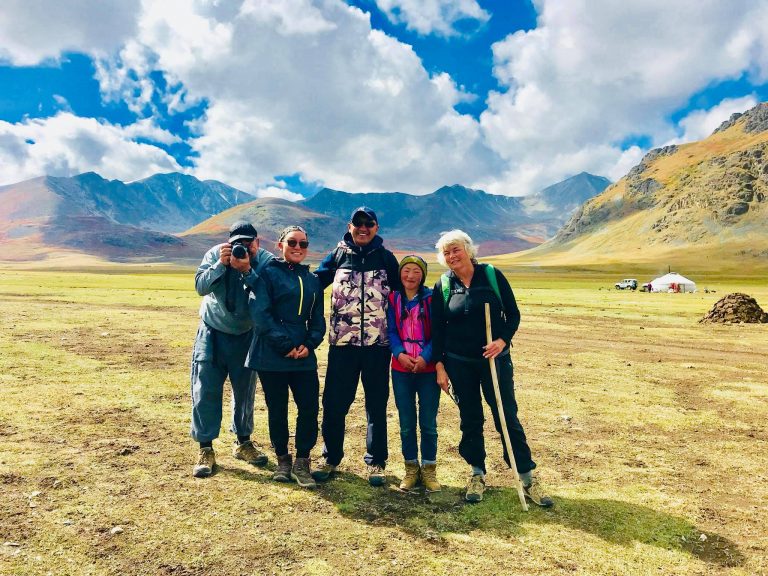
In Ulaanbaatar
A wide variety of sanitary products, including pads and tampons, is available in supermarkets and pharmacies in the capital.
In Rural Areas
Outside the city, availability becomes limited, with fewer brand options or products. If you prefer specific types, like organic products or menstrual cups, bring them with you from home or Ulaanbaatar.
Period Pants
Period pants are an excellent, reusable alternative that can simplify menstrual management while reducing waste. They’re especially useful in remote areas where disposal facilities are limited.
Disposing of used sanitary items in rural Mongolia can be challenging due to a lack of facilities.
– Avoid burying sanitary products, as this harms the environment. Instead:
– Use biodegradable bags or a designated sealable container to store used products until you can dispose of them properly.
– Many travellers use reusable silicone bags for discreet and odour-free storage during the trip.
Public bathrooms in rural Mongolia are typically basic, with pit latrines being the most common option. These facilities often lack lighting, so bringing a reliable headtorch or flashlight is highly recommended, especially for nighttime use. During long road trips or outdoor activities in remote areas, “nature’s facilities” are often the default.
While Mongolian women dress in contemporary styles, showing too much skin (e.g., short shorts, crop tops) might feel inappropriate in more traditional settings.
Preparation Tips:
Pee-Wee Devices: A portable female urination device (like a pee-wee or Shewee) is convenient and hygienic in remote areas. These are especially handy in cold or windy conditions.
Toilet Essentials: Always carry tissues or toilet paper, as these aren’t always provided, along with biodegradable wet wipes and hand sanitizer.
Privacy Measures: A lightweight poncho or travel sarong can serve as a privacy shield when using open spaces.
Staying Fresh on the Go:
– Period pants and menstrual cups are particularly useful for extended trips, as they reduce waste and don’t require frequent changes.
– Bring a small, collapsible bowl or sterilizing wipes for cleaning reusable items like menstrual cups in a hygienic way.
Pack a Compact Hygiene Kit
– Include essentials like hand sanitizer, biodegradable soap, wet wipes, and spare sanitary items for convenience during travel.
Here are a few useful points that older female travellers should be aware of.
Mongolian culture values age and experience, and this respect extends to older female travellers. In traditional nomadic society, elders are seen as wise and deserving of honour, and this mindset influences interactions with visitors.
Older female travellers are often treated with kindness and reverence, with locals going out of their way to assist or offer hospitality. Whether it’s being welcomed warmly into a ger or receiving help navigating unfamiliar areas, the respect Mongolians show to elders creates a sense of comfort and connection, making the country an ideal destination for older women seeking meaningful cultural exchanges.
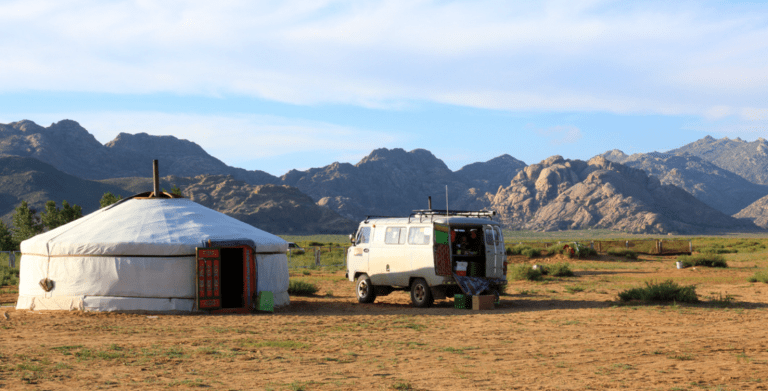
Staying in traditional ger accommodations offers an authentic Mongolian experience, but there are a few practical considerations to keep in mind. Gers typically involve steps and uneven ground, which may require extra care when moving around.
Most standard tourist ger camps have limited en-suite gers available, so early booking is recommended if private facilities are a priority. Bathroom facilities are usually located in a separate block, typically 10 to 50 meters from the sleeping gers. These facilities may range from basic to more modern, depending on the camp. Travellers should be prepared for varying levels of comfort and bring essentials like a headtorch/flashlight for nighttime trips and personal toiletries for convenience.
This form of ger accommodation is simpler than staying at ger camps, as it is provided by individual families rather than businesses.
Toilets are typically basic pit latrines, which often require squatting. Some families may provide seats over the long drop. These facilities generally lack lighting, so it’s highly recommended to bring a reliable headtorch or flashlight, particularly for nighttime visits.
One of the highlights of staying with a family is the opportunity to interact with your hosts. Female hosts are often talented embroiderers, sewers, or crafters, and you may have the chance to learn about or even try your hand at these traditional arts.
Public toilets in Mongolia are typically basic pit latrines, which may require squatting and often lack running water. However, along main roads, newly established service stations are becoming more common, and many of these feature flush toilets.
During long road trips or outdoor activities in remote areas, “nature’s facilities” are often the default. To ensure comfort and hygiene, it’s recommended to carry essentials such as biodegradable toilet paper, wet wipes, and hand sanitizer. A lightweight travel poncho or sarong can also provide added privacy when using outdoor spaces.
Road journeys in Mongolia can often be bumpy, as many rural roads are unpaved and even main roads may have potholes. Travellers should be prepared for uneven terrain and extended travel times.
Depending on the type of tour vehicle used, there may be a significant step up to enter the vehicle. Bringing a folding footstool can be a practical solution.
Depending on your age and health, Mongolia offers a variety of activities that cater to different energy levels. Gentle hiking, cultural workshops, and relaxed wildlife viewing provide opportunities to explore the country without requiring intense physical exertion.
However, it’s important to note that Mongolia is vast—roughly the size of Western Europe. While domestic flights are available, they are seasonal and operate only between specific provincial airports. As a result, road travel is an integral part of the Mongolian experience. Travel days can be long.
Mongolia’s weather can range from very hot to cold in the evenings. Dressing in layers helps manage these fluctuations.
The dry climate can cause dehydration; staying hydrated and using moisturizers are important.
Exploring Mongolia independently is a unique and rewarding adventure, but preparation and awareness are essential to ensure a safe and comfortable journey.
Avoid Isolation
If you’re camping, ask for permission to set up your tent near a family ger. Pitching a tent in an isolated area might attract unwanted attention. Similarly, camping near towns or provincial capitals is generally not advisable due to safety concerns.
Hotel Standards
Rural hotels can be very basic. Before committing to a room, ensure the door locks securely from the inside. Consider carrying a security door wedge for added safety and peace of mind.
Interactions with Men
As a solo female traveller, you may encounter curious men. Mongolians are naturally curious about travellers, which often leads to friendly interactions. However, it’s important to assert your personal boundaries respectfully when needed. While most interactions are harmless, some can escalate, particularly if alcohol is involved.
– Stay calm and polite but firm in your responses.
– Seek assistance from nearby families or other travellers if a situation becomes uncomfortable.
A local SIM card is invaluable for communication, navigation, and emergencies. Mongolia has four main service providers—Unitel, Mobicom, G-Mobile, and Skytel. Signal strength is generally good in cities and towns but can be spotty in remote areas. Test your SIM card before venturing far. SIM cards are available at airports and in larger towns. Bring your passport for registration.
Carry Essentials: Keep a portable power bank for your phone, especially in remote areas where charging options may be limited.
Trust Your Instincts: If a situation feels uncomfortable, don’t hesitate to remove yourself politely but decisively.
Stay Visible: Solo travellers are less vulnerable when they stay in well-frequented areas or near locals.
Exploring Mongolia independently is a unique and rewarding adventure, but preparation and awareness are essential to ensure a safe and comfortable journey.
Mongolia has an extensive network of buses and minivans connecting major towns and cities. While buses are relatively reliable and tickets allow for reserved seating, minivans are often overcrowded, making for a less comfortable experience.
Safety Tip: Be cautious of pickpocketing, which can occur in crowded situations. Keep valuables secure and within sight.
Booking Tip: On buses, it may be possible to purchase an extra seat for added comfort. However, persuading fellow passengers to respect the reserved space may be challenging.
Official Taxis
Taxis are generally safe, but it’s important to opt for official, metered taxis rather than unmarked cars. Drivers often speak limited English, so having your destination written down or saved in a translation app can be helpful.
Mongolia’s train network is restricted to specific routes, but trains provide a comfortable and scenic way to travel. Most carriages have four-bed compartments, and each carriage has an attendant. Bottom bunks double as shared seating during the day unless the occupant decides to rest.
Hitchhiking is not recommended for solo female travelers in Mongolia for several reasons including some Mongolians have limited experience with Western women and may not understand personal boundaries. Also, road safety can be a concern due to lower driving standards and occasional issues with drink driving.
Traveling solo in Mongolia is an empowering and enriching experience, but connecting with fellow travelers along the way can add companionship, shared experiences, and safety. Whether you’re seeking company for a short excursion or a longer journey, there are plenty of ways to meet like-minded adventurers. Your choice will depend on your budget, preferences, and travel style.
Safety Note: Not all guides and drivers in Mongolia are regulated. Some male drivers or guides advertising on platforms like Facebook may lack the experience, knowledge, or personal boundaries to appropriately assist a solo female traveler. Always verify credentials and, if possible, book through reputable agencies or referrals.
Organised Tours: Travel companies including us, Eternal Landscapes, offer small group experiences. These tours often attract like-minded travelers, creating opportunities to form connections while sharing the adventure.
Day Excursions: If you’re not ready for a full tour, shorter activities like cultural workshops or guided walks can provide insights into Mongolian culture before setting out on your own.
Social Accommodation: Hostels and guesthouses in Ulaanbaatar, as well as in larger towns like Murun, Kharkhorin, and Dalanzadgad, often have communal spaces where travelers gather to share tips, plan trips, or simply socialize. Many offer private rooms or gers alongside dormitory or shared ger options, catering to different budgets and preferences. Travellers often coordinate shared rides to the next destination, which can reduce costs and provide companionship.
Travel Notice Boards: Many hostels and guesthouses have notice boards where travelers post about shared trips, such as vehicle hires for multi-day journeys or joining group tours.
Social Media Groups: Facebook groups are active communities where you can share plans and find fellow travelers.
Travel Forums: Platforms like Reddit’s travel communities are great for connecting with people planning similar itineraries or seeking advice on navigating Mongolia.
Vehicle Sharing: Sharing a vehicle is a common way to explore Mongolia’s vast distances. Hostels, guesthouses, and tour operators such as us, Eternal Landscapes, can often help arrange group hires or connect you with other travelers heading in the same direction.