
Khustain Nuruu National Park and the Return of the Takhi
Khustain Nuruu National Park is one of three locations selected for the reintroduction of the endemic Przewalski horse (Equus przewalskii) in Mongolia. Known locally as Takhi, this is the only wild horse species to have survived into modern times.
Quick Facts
Location: Around 100 km west of Ulaanbaatar (approx. 2–2.5 hours by road)
Landscape: Open steppe, forested hills and river valleys
Wildlife: Home to Przewalski’s horse (takhi), red deer, gazelle, marmots and many bird species
Protected status: A designated national park run by the Hustai National Park Trust (Hustai NGO)
Takhi Horses in Mongolia
There are currently three locations where the Takhi have been successfully reintroduced:
Khustain Nuruu National Park, Töv Aimag
Takhiin Tal, within the Great Gobi B Strictly Protected Area
Khomiin Tal, in the buffer zone of Khar Us National Park
Roughly 21% of Mongolia’s landmass (as of 2020) has some form of national environmental protection, with additional areas designated at a local level. Khustain Nuruu National Park holds national-level protected status and is widely regarded as one of Mongolia’s conservation success stories, although it continues to face ongoing challenges.

Khustain is managed by a dedicated NGO, the Hustai National Park Trust (HNPT), established in 2003 and specialising in nature and environmental conservation.
You may see Khustain also written as Hustai, Khustai, or Hustain.
Khustain Nuruu National Park: Key Facts
Part of Khustain’s appeal is its accessibility. The park is located approximately 100 km from Ulaanbaatar.
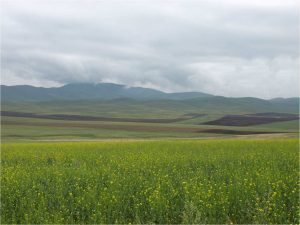
Covering an area of around 50,600 hectares, the reserve lies on the southern edge of the forest-steppe zone. Its varied habitats include sand dunes, open steppe, river valleys, birch forest, and mountain terrain. Takhi horses range across these habitats, living in harem groups with a strict hierarchy based on age and social structure. Each group occupies a defined territory within the park.
The park sits at an elevation of between 1,100 and 1,840 metres, creating expansive viewpoints across the Moltsog Sands and the partially forested Khustain Mountains.
Exploring Khustain: On Foot, by Bike, or on Horseback
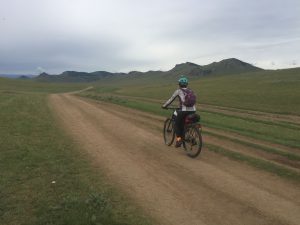
We prefer a slower pace of exploration, whether hiking, cycling, or travelling by vehicle in small groups. This allows time to better understand Khustain’s biodiversity — not only its wildlife, but also its landscapes and the people who live alongside the protected area.
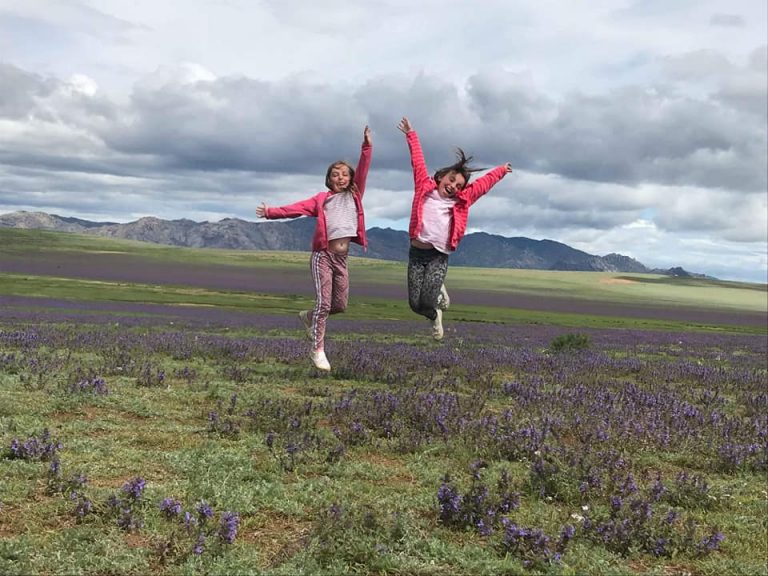
An overnight stay is particularly rewarding, giving you more time to experience the variety of habitats and wildlife, which may include red deer, corsac foxes, Siberian marmots, black vultures, and numerous raptors such as eagles and falcons. The Tuul River basin in the south of the park is particularly good for birding, with riparian habitats attracting a wide range of resident and migratory species. In summer, wildflowers are an added highlight.
The southern part of the park, near the Tuul River, is also home to archaeological sites, including Neolithic graves dating back to around the 6th or 7th century AD.
Where to Stay Near Khustain Nuruu National Park
The tourist ger camp operated by the Hustai National Park Trust is an obvious accommodation option, particularly as funds raised support the park directly. Located at the park entrance, it includes a recently updated information centre, as well as research facilities.
Our preference, however, is to stay with local herding families in the buffer zone of the protected area. We work with the Bayansonginot Cooperative, a community-based tourism initiative bringing together herding families to create alternative income sources while sharing contemporary herding life.
Women are equal members of the cooperative, participating in meetings and decision-making. They also hand-produce felt items from their own sheep, providing both supplementary income and a sense of independence.
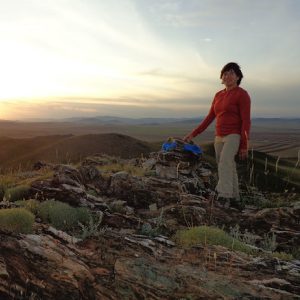
Camping is also permitted in the buffer zone, and we are particularly fond of the views from our regular campsite.
Visiting the Mongol Nomadic Camp
A trip to Khustain can be extended to include a visit to the Mongol Nomadic Camp, which is often a good fit for families or for those looking for a light-hearted introduction to aspects of Mongolia’s nomadic culture.
The camp offers a series of short demonstrations rather than an in-depth experience. These may include Mongolian folk songs, an introduction to dairy processing, felt-making, and demonstrations of traditional transport methods such as horse carts, yak or camel pack loads, and cow-drawn wagons. While simplified and clearly geared towards visitors, it can be an enjoyable addition for those with limited time or travelling with children.