
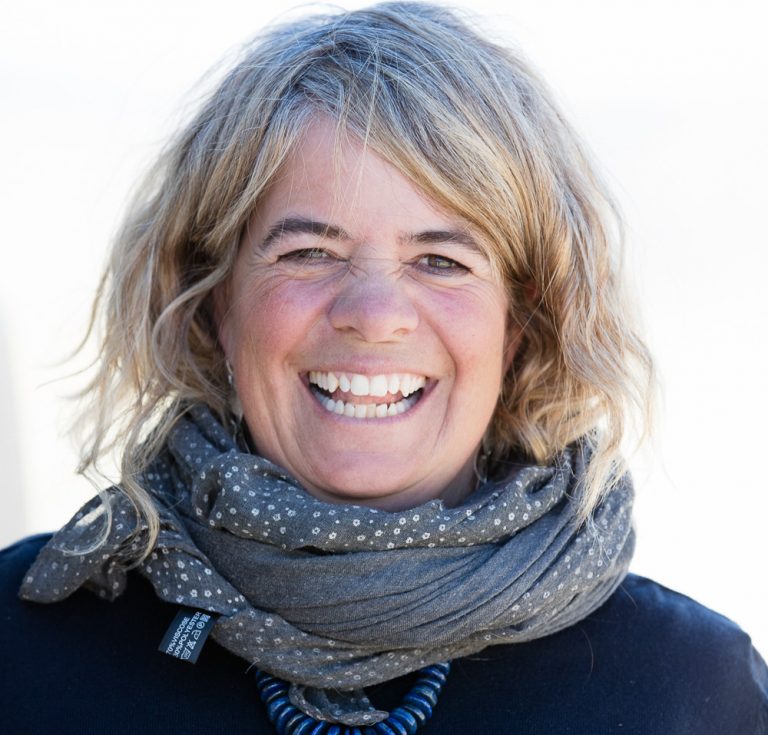
Experience Winter In Mongolia
When winter arrives in Mongolia, life shifts. Families prepare their homes, herders bring their animals closer, and the country settles into a season shaped as much by bright skies and calm days as by the cold itself. Travelling now offers a glimpse into a quieter, more intimate Mongolia — a time when daily routines draw you closer to local communities and when the wide horizons feel even more expansive under the winter light. Winter is challenging, yes, but to experience it here is to understand Mongolia in a different, more elemental way.
Quick facts about winter in Mongolia:
Winter temperatures typically range from –5 °C to –30 °C depending on region and month • skies are bright and visibility is high across much of the country • major roads and rail services continue year-round • fewer visitors create space for longer conversations and quieter encounters • winter travel works best with preparation, patience and respect.

Table of Contents
What Winter in Mongolia Feels Like
Winter in Mongolia is a season that shapes everything — the landscape, daily life, and the character of the people who call this country home. It is a time of clarity and stillness, of long shadows and bright skies, of quiet resilience. It is also one of the most meaningful ways to experience Mongolia.
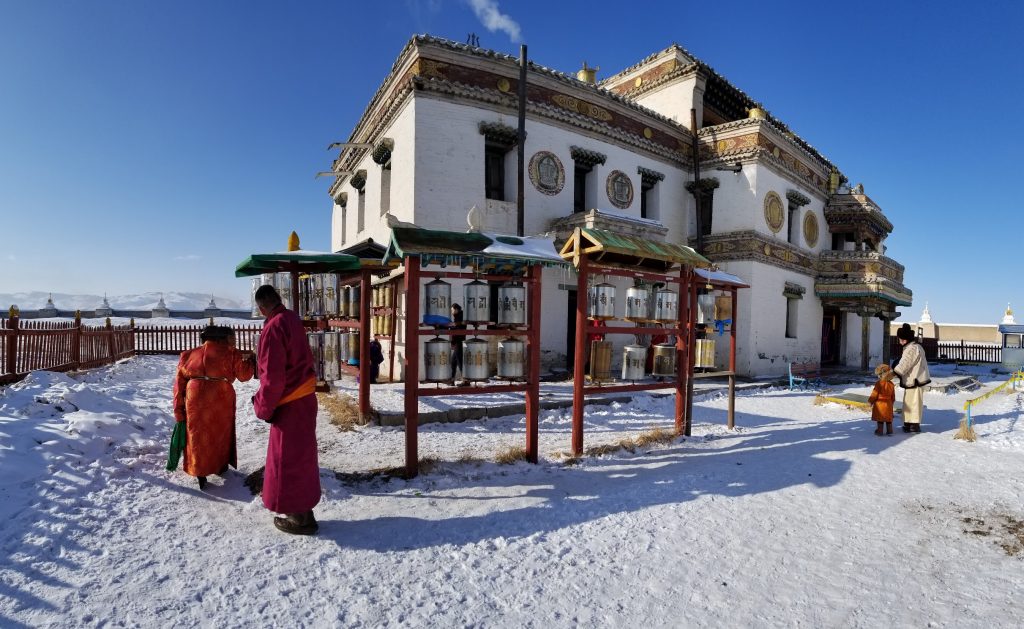
Temperatures fall well below freezing, dropping to -30°C in many places and far lower in remote regions. Yet winter brings some of the brightest weather of the year. Mongolia enjoys around 260 days of sunshine annually, and many of these blue-sky days illuminate the winter months. Under this steady light, mountains, steppe, desert, and forest take on a remarkable simplicity — crisp horizons, snow-dusted ridgelines, and a calm that is hard to describe until you’re standing within it.
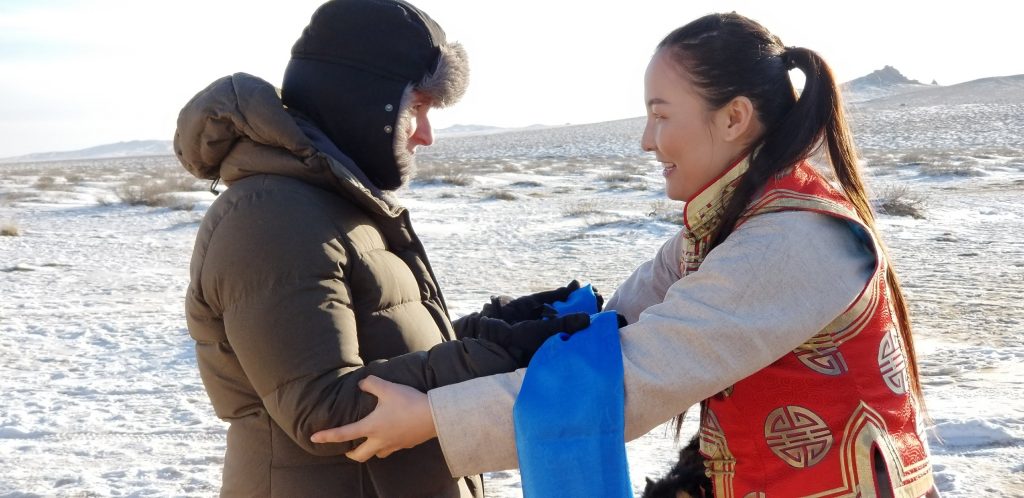
“We do miss and speak of the Mongolian winter trip a lot. It remains a stand-out adventure — remote, beautiful, free, and with great interaction with the environment including landscapes, animals and, of course, the people. A true adventure, unlike any other. And it was possible thanks to the special way you built EL and tailored our trip. It could easily be much less interesting and involving without your relationships with the herder and hunter families. Thank you for making it a real Mongolian exploration and not just a hover above the surface.”
The Kidron Family Tweet
What Winter Is Like in Mongolia: Local Perspectives from Our EL Team
“Winter makes our country look even more vast. With the mountain steppe covered in snow, it feels like an endless milk sea.”
“It’s a challenging time of year, but it makes us stronger. Facing the cold teaches us who we are.”
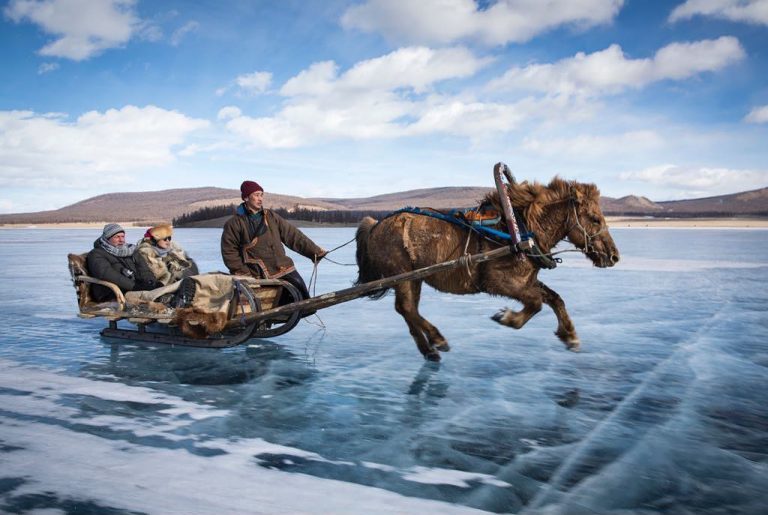
“After fresh snow we go sledging with our children. It is quiet in the mountains — only snow. Winter makes me think about my ancestors and how Mongolians have always adapted.”
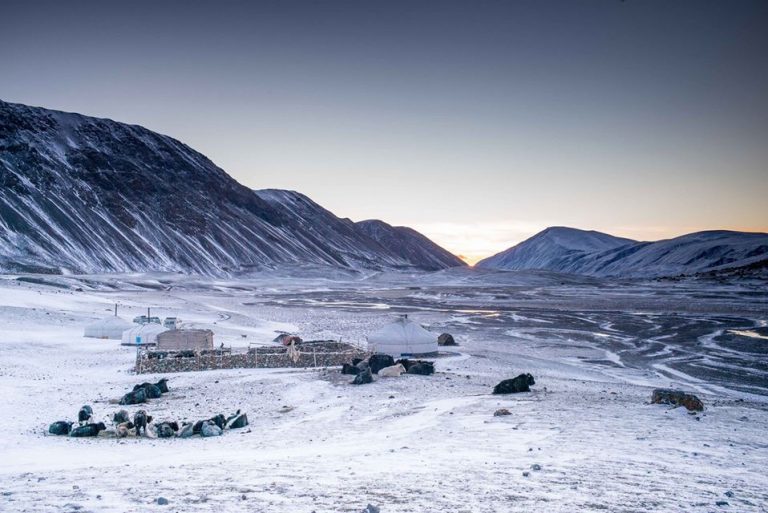
Winter also brings people closer together. Herders move their livestock nearer to the family home for protection, meaning their daily routines become part of the landscape you experience as a guest. Families add extra felt to their gers, and the warm centre around the stove becomes a gathering point — a place where conversation slows down and hospitality deepens.
“The weather is really unique. It can be harsh and also mild. No two days are the same. It’s a very real time of year — our people and our livestock are always adapting.”
Festivals, Traditions & Daily Life In Winter In Mongolia
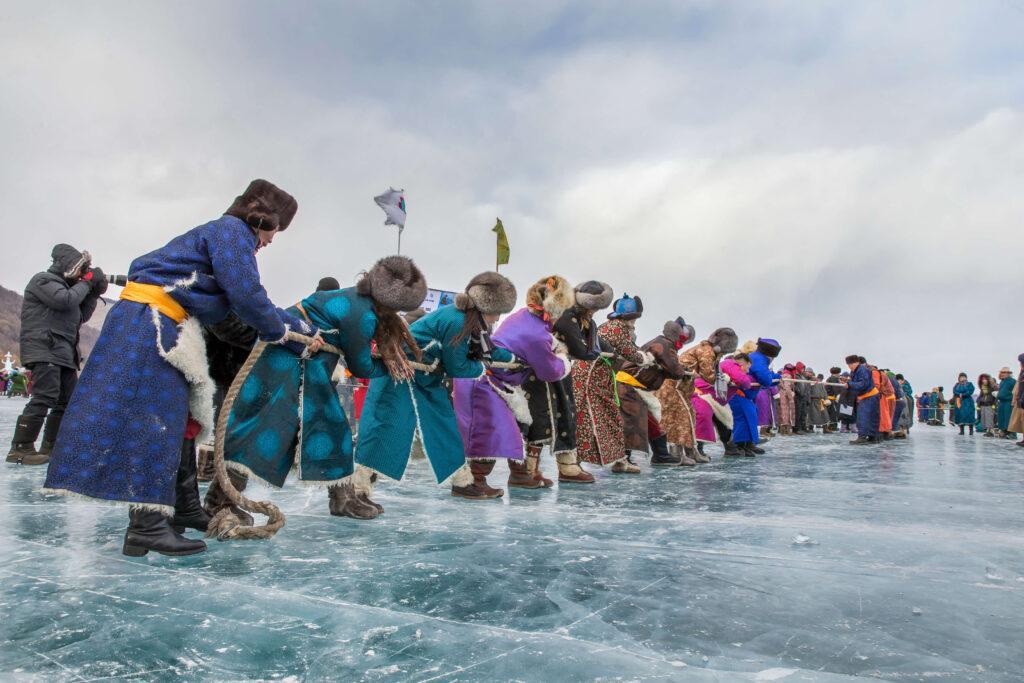
Throughout the winter months, festivals and celebrations take place across the country. Some are centuries old — such as Tsagaan Sar, Mongolia’s Lunar New Year — while others are newer events designed by local communities to bring people together and support regional economies such as The Ice Festival.
This is also the season when daily life reveals its quiet resilience. Herders continue their work regardless of temperature. Children walk to school through snow. Families prepare for Tsagaan Sar by visiting relatives, cooking traditional foods, and cleaning their homes. As a visitor in winter, you witness life lived close to the essentials.
“One reason I like winter is Tsagaan Sar, our traditional New Year. It’s an important time to be with family, and I get to travel to my home in the countryside and meet my relatives.”
I like the snow in winter. Also, our winter holiday which is Lunar New Year – Tsagaan Sar – is very special for us. We meet with our relatives and celebrate. Although winter is a very cold season, Tsgaaan Sar celebrates the warm season – the coming of spring and the warmth of being together with our relatives and family.’
Winter-time Journeys with Eternal Landscapes
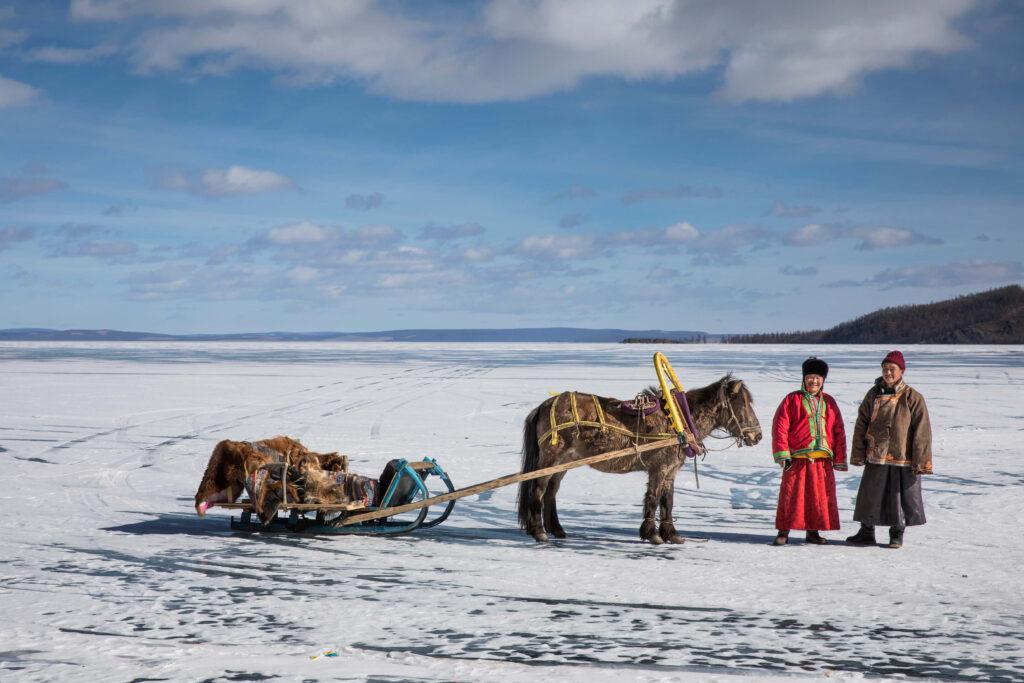
Many tour companies pause their operations until spring — but we continue. Winter isn’t a barrier; it’s a season that reveals Mongolia in a different light. The cold, the distances and the reduced services are simply part of life at this time of year, shaping the rhythm of communities as much as the landscape itself.
“Every season is completely different in Mongolia. If you want to know what winter is like, you have to come and experience it yourself. Our Mongolian winter really has its own taste.”
Travelling with us in winter isn’t about covering ground quickly. It’s about moving at the season’s pace, showing respect for the routines shaped by cold weather, and seeing how Mongolians adapt to winter. The realities of the season become part of the experience — making it meaningful.
Travel Regions & How Conditions Vary
Ulaanbaatar in Winter: Air Pollution & Everyday Life in the Capital
Winter in Mongolia also means winter in Ulaanbaatar — home to nearly half of the country’s population and a place where the season is felt differently. The capital’s winter air pollution is well-documented and is largely caused by a combination of extreme cold, geographical location, and the reliance of many households on coal or biomass heating.
It is important to be honest about this aspect of winter travel. On some days, the air can be heavy and visibility reduced. For travellers with respiratory sensitivities, preparation (such as a mask or timing indoor / outdoor activities) can help.
But Ulaanbaatar is also more than its winter inversion layer. It is the cultural and political centre of Mongolia — a city where half the country lives, studies, works, and celebrates. Winter brings its own rhythm here: families gathering in warm apartments, students spilling out of libraries and cafés, museums filled with young people escaping the cold, and markets preparing for Tsagaan Sar.
For many travellers, time in Ulaanbaatar offers an essential perspective on contemporary Mongolia — its creativity, challenges, energy, and the lived reality of urban life in a country so often defined only by its countryside.
Experiencing the capital in winter, even for a day or two, adds depth and understanding to a journey through the wider landscape.
Countryside, Steppe, Mountains and Desert
Outside the capital, the rhythm of daily life shifts with the climate, and the landscape takes on a cleaner, more elemental appearance. Across steppe, desert, mountain and plateau, winter changes how distances feel, how sound carries and how people move through their days.
Despite the temperatures, major roads and rail routes remain open, making winter travel possible to monasteries, regional towns and open countryside across the country. The pace may be slower, but the clarity of the season reveals Mongolia in a distinctive way.
Western Mongolia
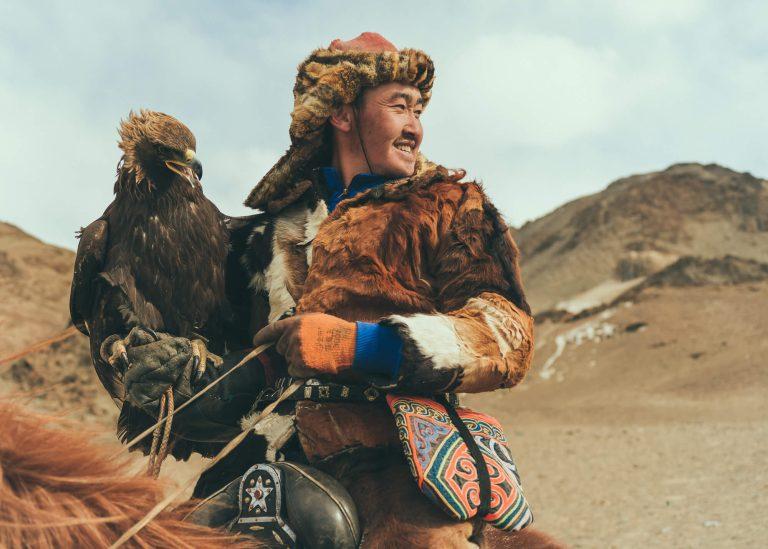
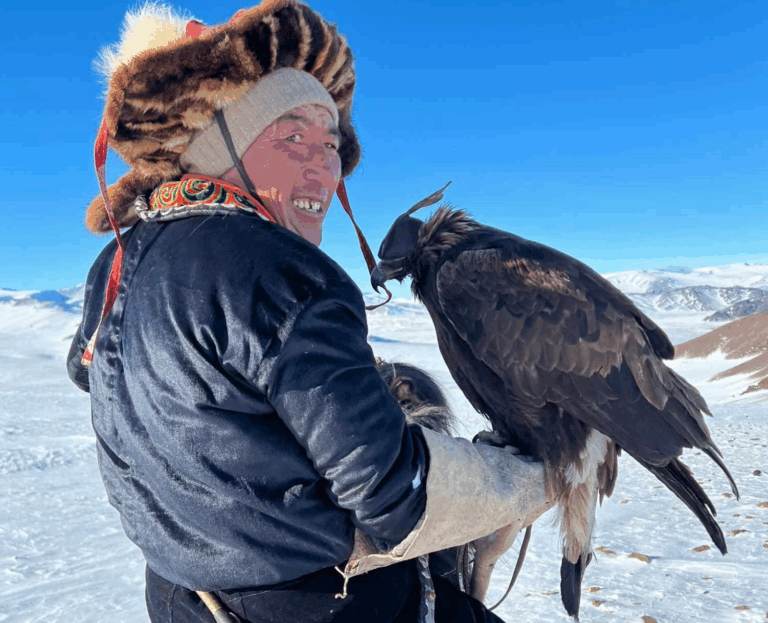
In western Mongolia, winter is the season of the Mongol Kazakh eagle hunters. Travelling here offers the chance to meet these hunters and their golden eagles — a remarkable partnership between human and bird that deepens in the cold months.
Despite the temperatures, roads and rail routes remain open, allowing travel to monasteries, regional towns, and open landscapes across the country.
What to Do — Winter Experiences
Winter in Mongolia offers a different set of experiences — obviously not the same as summer, but compelling in a quieter, more reflective way:
Stay with nomadic or semi-nomadic families and observe daily winter life, from caring for livestock to shared meals around the stove.
Spend time in Ulaanbaatar, experiencing its winter culture: heated galleries, museums, theatres, libraries, cafés and community spaces where people gather to escape the cold.
Explore regional landscapes, from snow-dusted mountains to crisp forests and the stark, open expanses of the desert in winter light.
Experience seasonal traditions, including the preparations and celebrations around Tsagaan Sar, or smaller local customs that shape winter routines.
Photograph winter’s distinctive light — long shadows, wide horizons, frost patterns and the quiet stillness that defines the season.
In the west, meet Kazakh eagle hunters (where feasible) and see how one of Mongolia’s oldest cultural practices continues through winter.


Packing & Preparation – What You’ll Need
Winter here isn’t for casual packing — but it also doesn’t require specialist expedition gear. Smart layering, awareness of the weather and a mindset for simplicity go a long way.
Use a layering system: base layers, insulation and a windproof outer shell.
Bring warm, practical essentials: sturdy boots, thick socks, gloves, and a hat, scarf or neck gaiter.
Expect slower travel: distances take time, weather can shift and daylight hours are shorter.
We provide a detailed packing list for all our guests, but winter travel also asks for something less tangible — a willingness to adapt, to move at the season’s pace and to embrace travelling quietly and slowly.
Is Winter Travel For You?
Winter in Mongolia isn’t for everyone — and that’s part of what makes it meaningful. The season asks for flexibility, patience and an openness to slower days shaped by cold, weather and the realities of rural life. If you prefer warm temperatures, fast-paced itineraries or long daylight hours, winter may feel challenging.
But for those who are comfortable embracing simplicity, stillness and a different rhythm, winter offers something rare: time. Families have more space to talk, landscapes feel quieter, and everyday life becomes more visible.
Winter travel also has a practical impact. Mongolia has one of the sharpest seasonal tourism patterns in the world — nearly half of all visitors arrive within just three months. For those who rely on tourism, the long winter can mean months with little or no income. Travelling outside the peak season directly supports drivers, guides, hosts and communities who rarely see guests in winter. Many of our partnerships are long-term, and winter visits help maintain steady, fair income.
As a thank-you to those helping keep tourism sustainable year-round, we offer a 15% discount for winter travellers.
Why Experiencing Winter in Mongolia Matters
For many travellers, the strongest memories of winter are not the temperatures but the welcome — the warmth of a ger, the generosity of families who have more time to talk, and the sense of experiencing Mongolia at its most elemental. Winter brings a clarity that’s both visual and emotional: horizons feel wider, conversations run deeper and the pace of life slows enough for reflection.
If you’re looking for a time of year that offers connection, simplicity and a different way of seeing the world, winter in Mongolia is a remarkable place to start.
And if you’d like to experience it with Eternal Landscapes, why not explore the range of winter journeys we offer?
Jess @ Eternal Landscapes